- Choose 2 bars if you carry a single accessory category (crossbars + awning, or crossbars + lights). The current DualTrack-T 2-bar kit is rated 150 lb dynamic / 300 lb static. Confirm the combined installed weight of the carrier and cargo before driving.
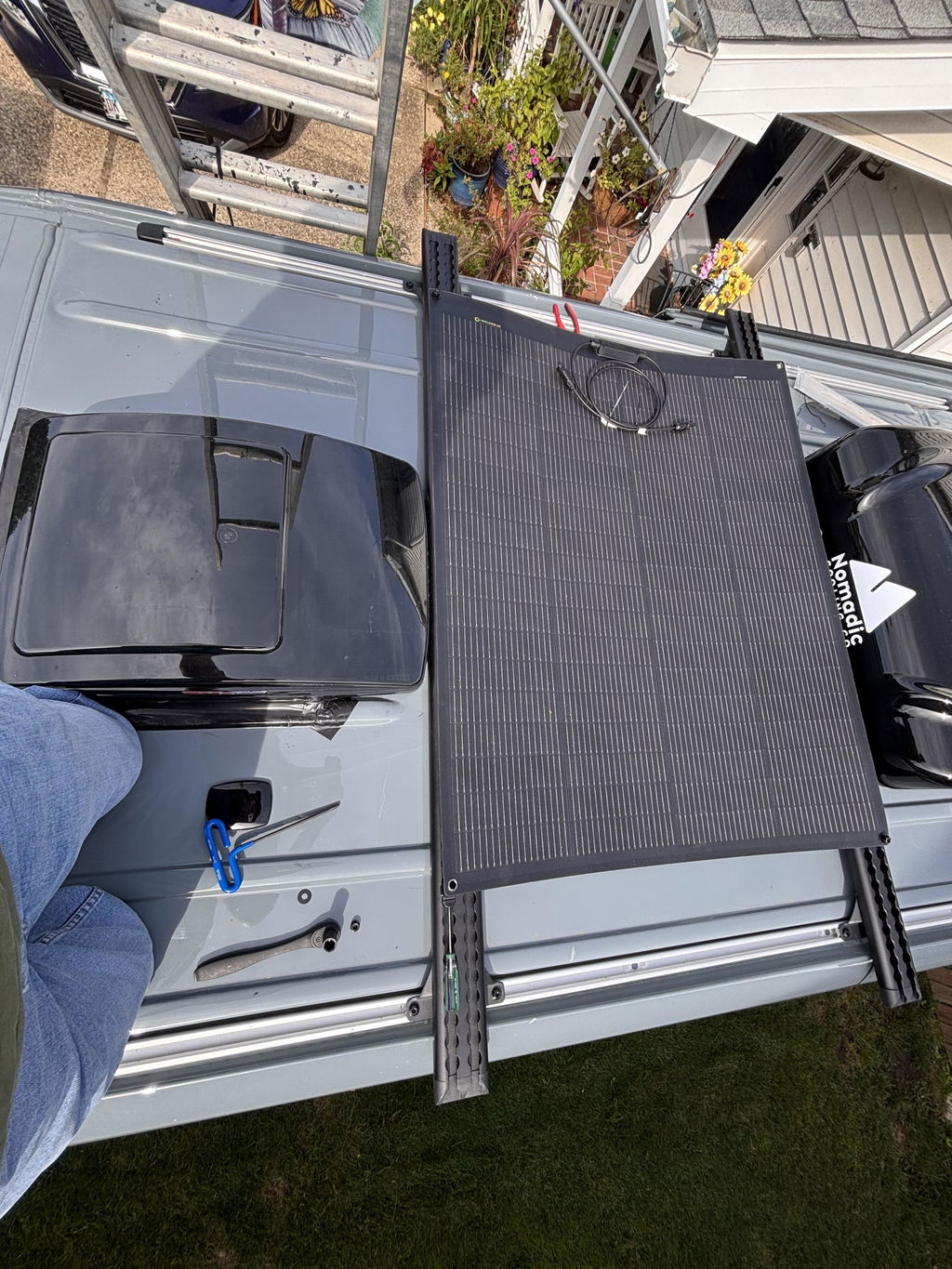
- Choose 4 bars if your build includes lights + awning + solar + recovery gear simultaneously, or if you plan to add accessories over multiple phases without reinstalling the rail.
- Garage clearance: DualTrack adds ~1 inch to roofline. The 2026 Grenadier with DualTrack installed clears a standard 7-foot garage door with room to spare.
Most Grenadier owners asking "2-rail or 4-rail?" are really asking one question: how many mounting positions do I actually need, and will I regret going minimal? Start with that load census, not with bar count. If your current and next-phase accessories fit within two crossbars, the 2-bar set is the right call — you can always add a third and fourth bar later without removing the existing hardware. If your build is already dense, jumping to 4 bars at the start prevents retrofit work 18 months down the road.

The Fitment Decision: Load Census First
The Grenadier's factory roof mounting points accept the DualTrack system at up to 4 bar positions across the roof span. Each bar provides full-length L-Track along its top channel — meaning accessory mounting is per-bar, not per-rail. The number of bars you need is driven directly by how many accessory categories you plan to run:
| Build Profile | Bars Needed | Why |
|---|---|---|
| Single accessory category (awning only, or lights only) | 2 bars | Two mounting points spread load evenly; cleaner roofline |
| Awning + lighting or awning + crossbar accessories | 2–3 bars | Third bar adds forward mounting point for lights without crowding rear positions |
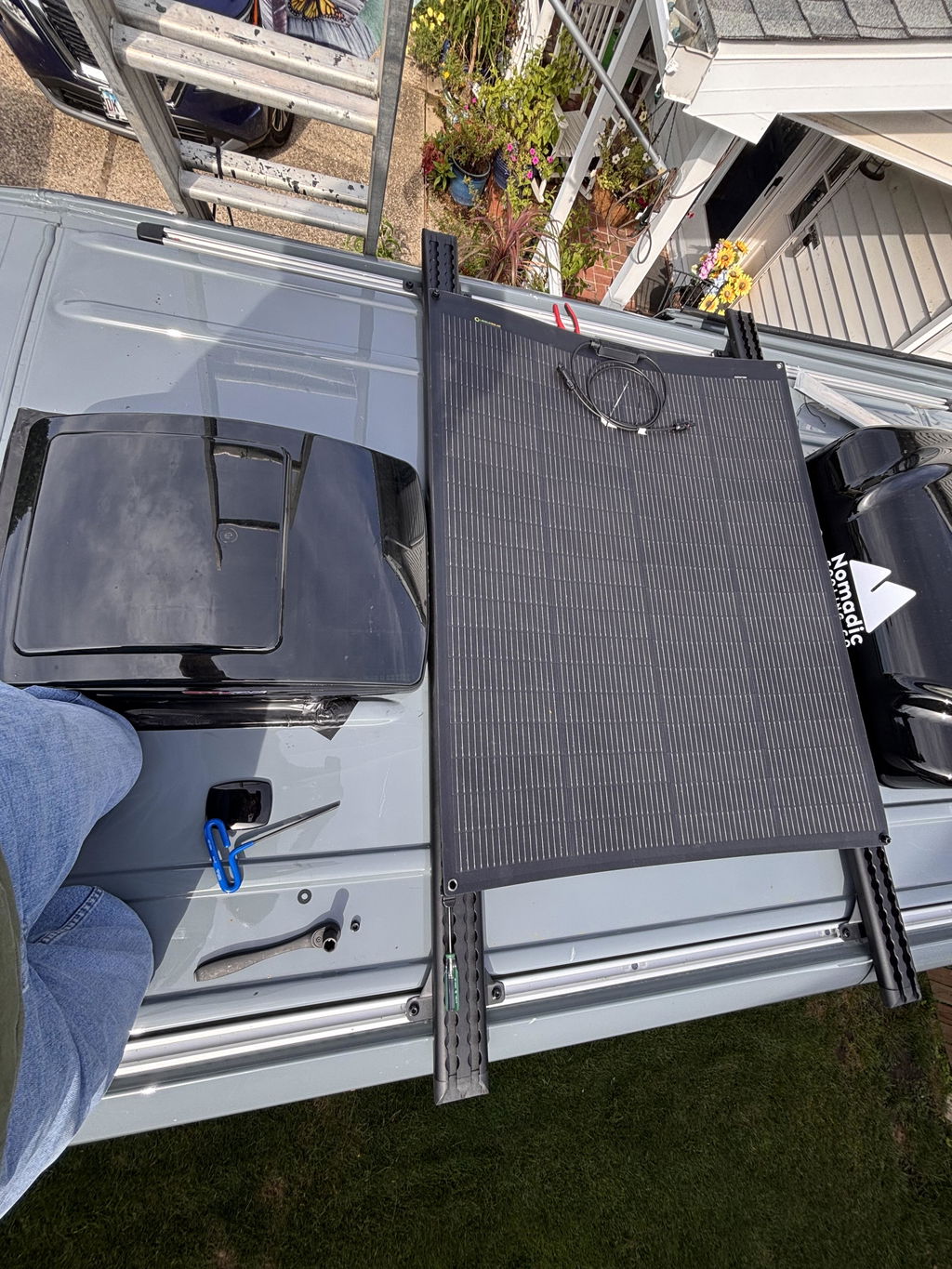
| Awning + solar + lights + recovery gear | 4 bars | Four positions allow independent mounting lanes per accessory category |
| Rooftop tent with ancillary accessories | 4 bars | Tent spans all four bars for load distribution; remaining L-Track used for lights |
| Daily driver with occasional gear runs | 2 bars | Low complexity; fits all standard cargo accessories; easy to remove seasonally |
Load Capacity: Use the Published System Rating
The live DVA product specification lists the 2-bar kit at 150 lb dynamic / 300 lb static and the 4-bar kit at 300 lb dynamic / 600 lb static. Dynamic is the system rating while driving; static is the system rating while parked. DVA also notes that the Grenadier factory roof structure sets the overall ceiling, so the lower applicable vehicle or carrier limit still controls.
Use installed weights from the accessory manufacturers rather than generic category estimates. Add the rail kit, brackets, carrier, and cargo; compare the total with the dynamic rating before travel. A fourth bar increases both the published DualTrack-T system rating and the number of available mounting positions.
Garage Clearance & Height Impact
The DualTrack system adds approximately 1 inch (2.5 cm) to the Grenadier's roofline. This is by design — the low-profile cross-section is a core engineering constraint, not a coincidence. An owner who installed the system in early 2026 noted in the DualTrack forum thread: "When they say this is low profile they are not joking! This thing sits LOW! It is streamline and very clean. I have had the opportunity to drive with it and there is no humming, whirring, or loud whining sounds that sometimes come from roof racks." (TheIneosForum — DVA Mechanics Roof Rails)
Do not use a generic garage-door height as a fit guarantee. Measure the completed vehicle at its highest point, including the installed cargo or tent, and compare that number with the clear opening of the specific door.
Installation: What Owners Have Learned
The DualTrack bolts to the Grenadier's factory roof rail mounting points — no drilling, no permanent modification. The same owner documented two practical install tips in her 2026 writeup that save significant time:
- Pre-assemble one bracket side off the vehicle. You can fit one side of the bracket on a workbench before taking it to the roof. You cannot fit both sides off-vehicle because you need to raise the rail to slip the bracket under the factory roof/grab rail. Starting one side on the bench is especially useful in cold or windy conditions.
- Thread-bound bolts: flip the bracket. If powder coat has entered the bracket threads and a bolt gets hung up, flip the bracket and thread from the reverse side. Once it runs through, the thread clears. No re-tapping required.
The install package includes Allen keys for the install, hardware sorted into individual labeled bags, and mounting brackets in three sizes (small, medium, large — 2 of each). The latch system matches the factory Grenadier design, so the rails integrate visually with the stock grab rail appearance.
Fitment note from the forum: "The rubber grommets were the perfect fit to slide over the rail so it would be secure and wouldn't wear any rough spots on the roof/grab rails. The fit and finish of the DVA low pro roof rails are excellent, great smooth powder coat and all the bolts are countersunk so nothing is sticking up to catch." (TheIneosForum — DVA Mechanics Roof Rails)
The Scalability Case for Starting with 2 Bars
One underappreciated aspect of the DualTrack architecture: you don't have to decide the final bar count at purchase. The system is designed to expand — adding a third or fourth bar later does not require removing or repositioning bars already installed. If you're early in your build and the accessory list is still forming, starting with 2 bars and adding as you go is a legitimate strategy that doesn't lock you in. The only practical reason to start with 4 immediately is if you know your first-phase accessories will require all four positions, or if the installation labor cost (time/effort) makes doing it once preferable to doing it twice.
The Current DVA DualTrack-T System
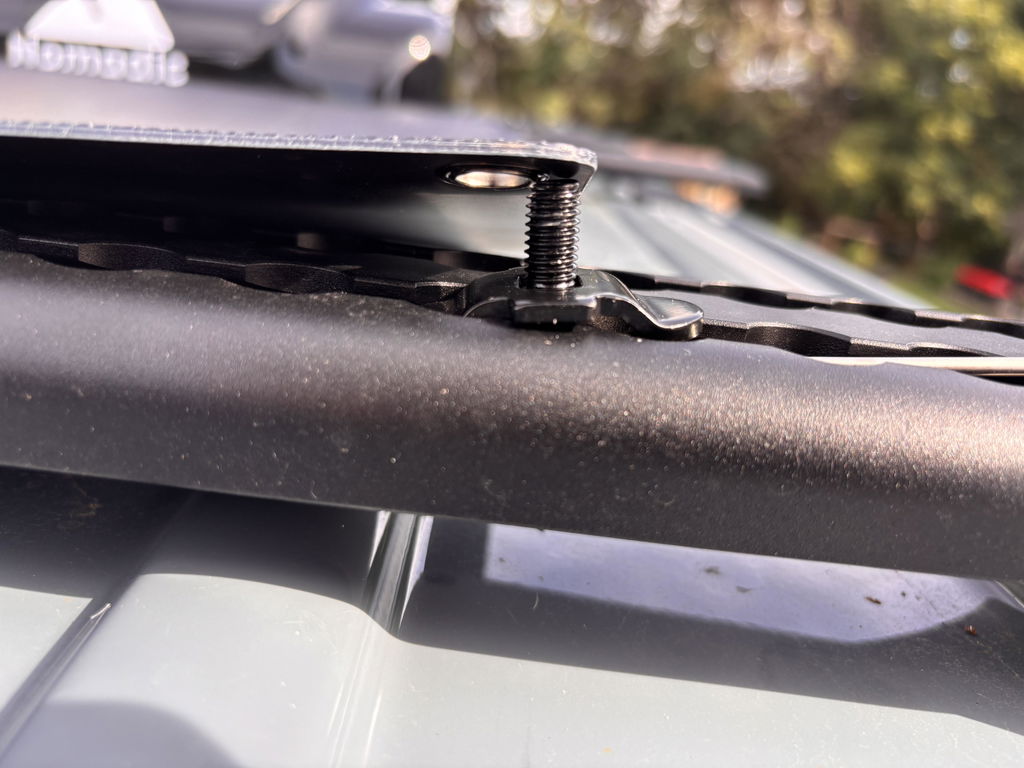
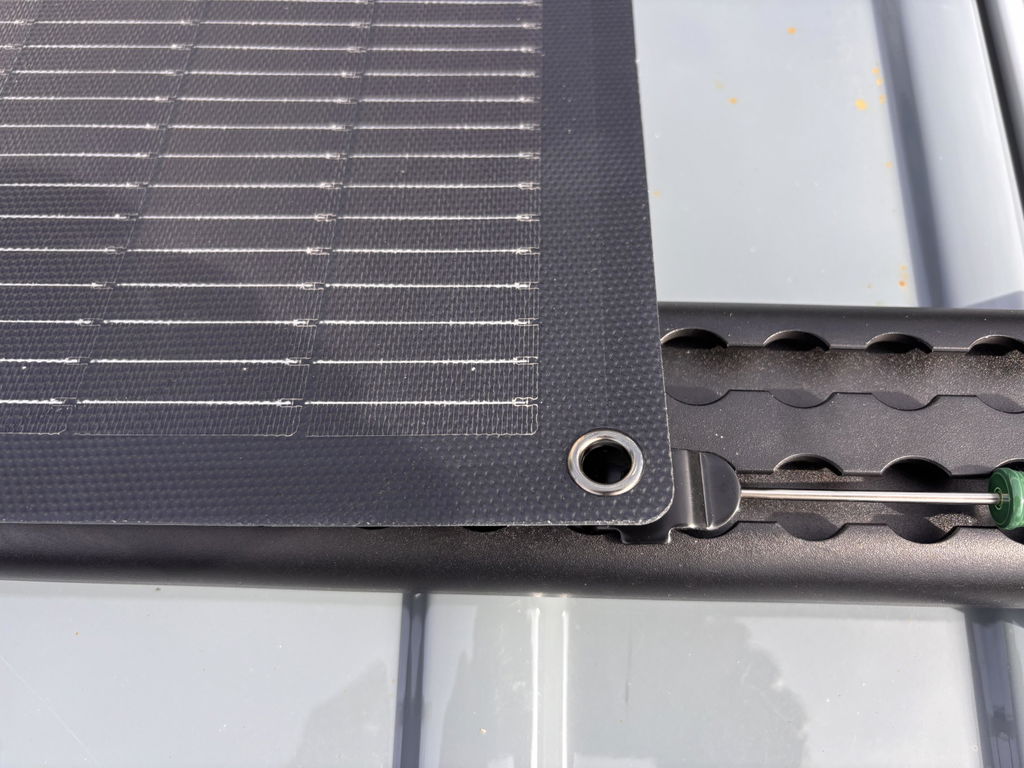
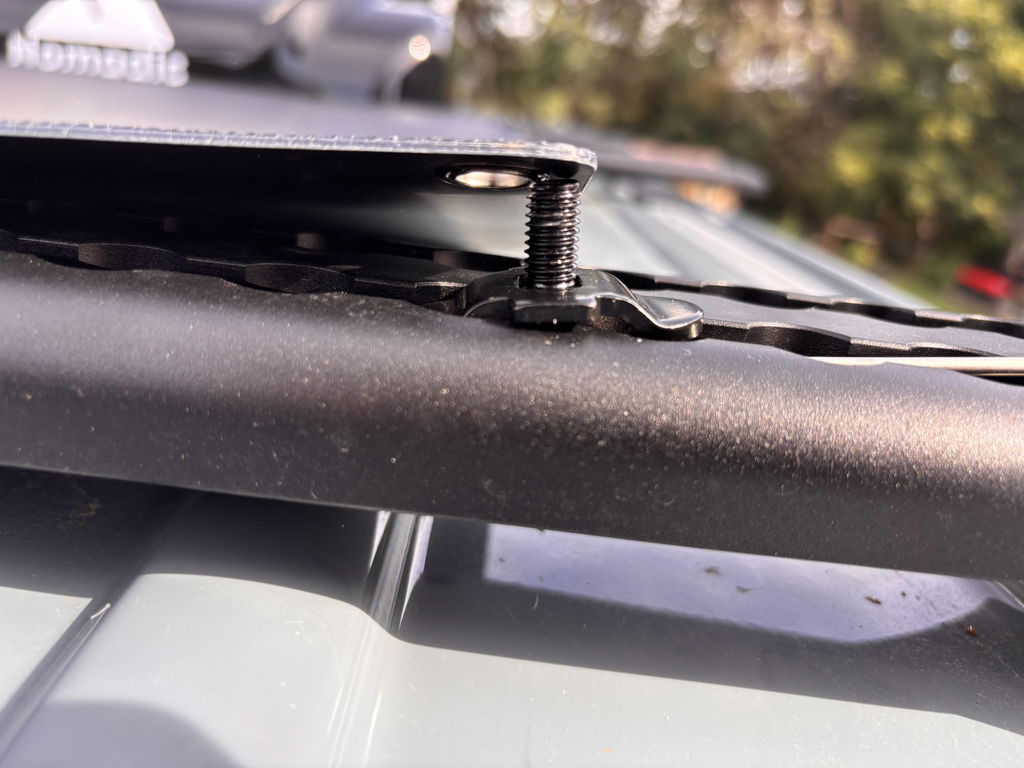
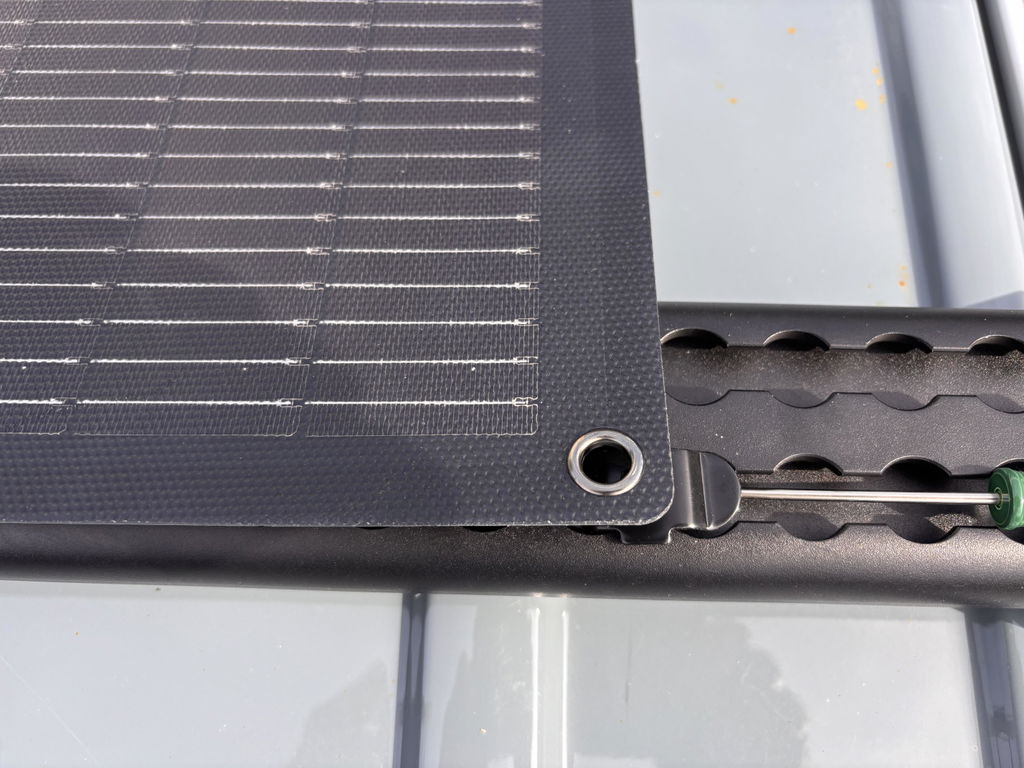
The active DualTrack-T MAX kit is offered as a 2-bar or 4-bar configuration. Each crossbar combines a full-length L-Track channel with a 25mm T-slot and bolts to the Grenadier factory roof mounting locations without drilling.
For awning hardware, the active Awning Mount V2 attaches to the DualTrack system. Owners planning a tent, lighting, solar, or recovery-board carrier should map every bracket position before choosing the bar count.
Frequently Asked Questions
Can I add a 3rd or 4th bar to an existing 2-bar DualTrack install?
Yes. The system is modular. You do not need to remove existing bars or brackets to add additional bars. Each bar installs independently at the factory mounting points.
Does the 4-bar setup increase wind noise?
Multiple owners have reported zero wind noise from the DualTrack system at highway speed. The 1-inch flat cross-section profile generates substantially less vortex shedding than round-tube or taller profile systems. Four bars at the same profile height does not meaningfully increase noise compared to two bars.
What's the maximum load for a 4-bar configuration?
The live DVA specification rates the 4-bar DualTrack-T kit at 300 lb dynamic while driving and 600 lb static while parked. The Grenadier factory roof structure sets the overall ceiling, so use the lower applicable limit for the complete vehicle-and-carrier installation.
Will the bars fit with factory side grab rails installed?
Yes. The DualTrack brackets are designed to work with the factory grab rail hardware in place. The latch mechanism matches the factory system design.
The DVA Setup for This
DVA Roof Rails for the Grenadier
2-rail system: 150 lb dynamic / 300 lb static. 4-rail system: 300 lb dynamic / 600 lb static. Both use the same factory mounting points — no drilling, bolt-on install.
DualTrack-T Kits →Awning Mount V2