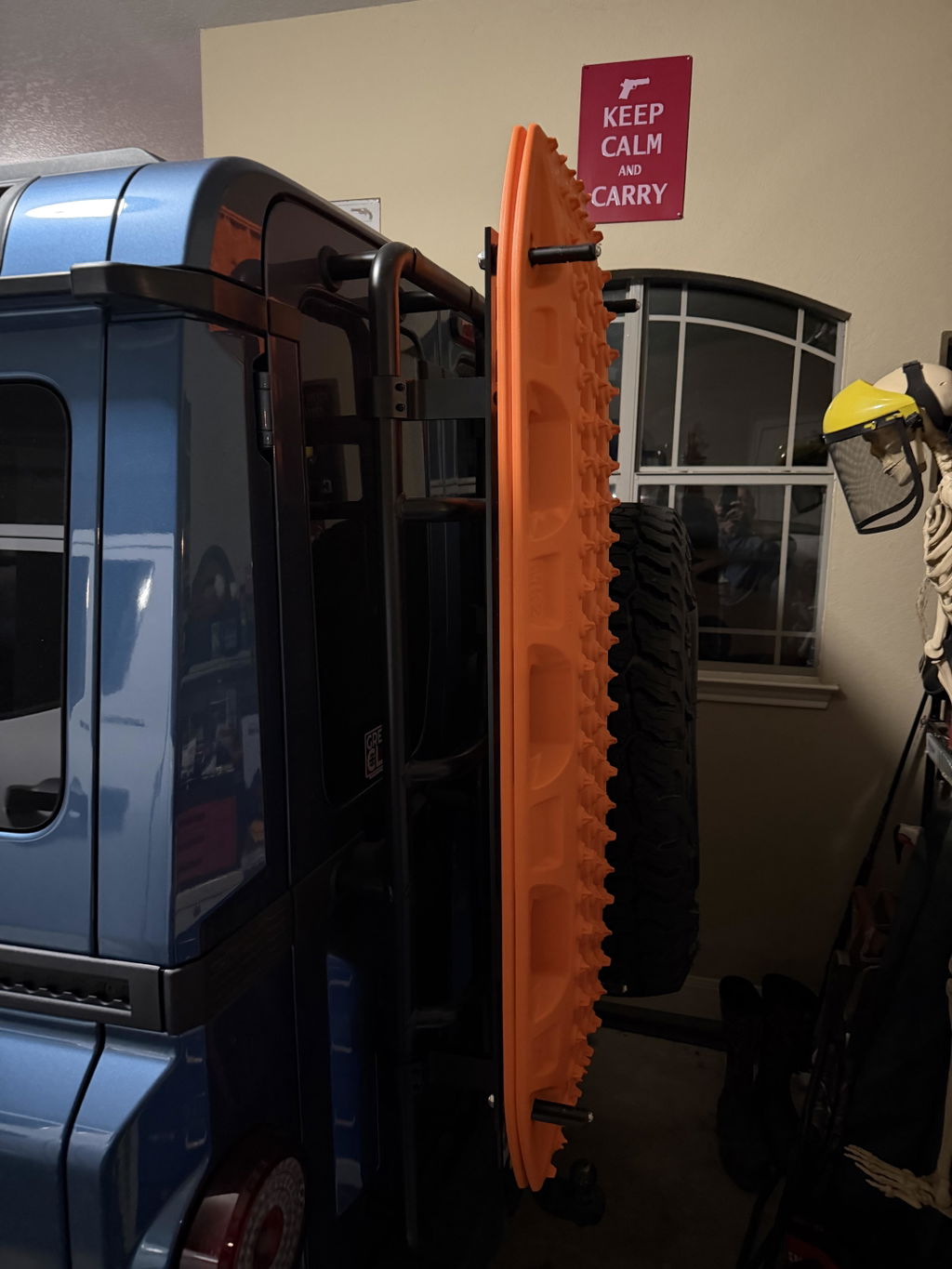
What order should you modify your INEOS Grenadier?
- Phase 1 (Weeks 1–4): Protection — skid plates, rock sliders, mud flaps. Establishes geometry before anything else changes it.
- Phase 2 (Weeks 2–6): Suspension & tires — tires first to evaluate need, then lift if required.
- Phase 3 (Weeks 4–8): Electrical — dual battery, auxiliary wiring, power distribution. Route before accessories create conflicts.
- Phase 4 (Weeks 6–12): Storage & mounting — roof crossbars, exterior carriers, interior organization.
- Phase 5 (Weeks 8–18): Accessories & lighting — everything that depends on the platforms above.
Total cost by build type: Daily driver $3,000–$7,000 · Work truck $4,500–$11,000 · Expedition $12,000–$25,000 (all USD, 2026 pricing)
1. INEOS Grenadier Platform Economics: Factory Options vs Aftermarket Modifications
The INEOS Grenadier disrupts traditional aftermarket economics because the factory option depth is abnormal. Unlike vehicles where you immediately replace stock components, the Grenadier's Trialmaster edition ships with capabilities that cost $8,000–$12,000 to add aftermarket on other platforms.
Trialmaster Edition Engineering Advantage
| Factory System | Specification | Aftermarket Equivalent Cost | Integration Quality |
|---|---|---|---|
| Front/Rear Locking Differentials | Electrically actuated, OEM integration | $3,500–$5,000 | Factory wiring harness, dash controls |
| Dual Battery System | EFB chemistry, CTEK charge management | $2,000–$3,500 | Integrated BMS, no aftermarket splicing |
| High-Load Auxiliary Switch Panel | 6 circuits, 40A capacity per circuit | $800–$1,500 | Pre-wired to battery, weatherproof |
| Raised Air Intake | 800mm water fording capability | $600–$1,200 | OEM calibration, no CEL triggers |
| Utility Belt (Factory) | L-track mounting points, body-wide | $800–$1,500 | Galvanized mounting, structural analysis |
| BF Goodrich All-Terrain Tires | 245/70R17, OE compound | $1,200–$1,600 | Load rating optimized for vehicle |
Based on pricing data from The INEOS Forum, the Trialmaster premium over base Fieldmaster is approximately $8,500–$10,000 depending on regional pricing. Community-reported aftermarket costs to replicate these systems post-delivery range from $9,000–$16,500 including labor (based on forum discussions and dealer quotes, 2025–2026; actual cost varies by region and labor rates). The factory option package saves $500–$6,500 while delivering better integration.
The Platform's Engineering Foundation
Understanding modification priorities requires understanding the platform's inherent strengths:
- Body-on-frame construction: Full ladder frame with galvanized steel body panels — modifications don't compromise structural integrity
- BMW drivetrain: BMW B57 as configured in the INEOS Grenadier (245 hp, 550 Nm / 406 lb-ft) or B58 petrol (282 hp, 332 lb-ft) with established aftermarket support
- Carraro beam axles: Solid front/rear axles with coil springs handle additional weight better than independent suspension
- 3,500 kg towing capacity: Vertical pin interface, integrated trailer stability control
- 760–907 kg payload rating: Depending on configuration (before modifications)
- 420 kg static roof rating: EU type approval specification. INEOS has not published an NA-specific roof load rating — contact your dealer to verify the rating for your market and configuration.
2. Build Archetypes: Engineering Use Cases
Owner build discussions reveal several distinct modification patterns. Most successful builds fall clearly into one of these categories — understanding yours before spending money prevents expensive mistakes and redundant components.
Configuration 1: Daily Driver
Use case profile: Primary commuter vehicle with occasional trail access. 80% pavement driving, 15% maintained gravel roads, 5% unimproved terrain. Parking in structures, urban navigation, garage storage.
Engineering priorities:
- Maintain stock height (2,036mm) for parking structure compatibility
- Reduce road noise and improve comfort for daily commuting
- Add underbody protection for urban debris and parking lot hazards
- Improve safety systems for daily traffic exposure
- Preserve fuel economy and warranty coverage
Daily Driver Specification Matrix
| Component Category | Recommended Specification | Engineering Rationale | Cost Range |
|---|---|---|---|
| Tires | All-terrain in factory 17" size | Wet grip improvement, minimal noise penalty | $800–$1,200 |
| Underbody Protection | Skid plates (engine, diff, transfer case) | Urban debris shield, parking lot protection | $600–$1,200 |
| Lighting | Integrated LED pods in bumper mounting | Rural road safety, maintains clean aesthetic | $400–$800 |
| Paint Protection | Ceramic coating or PPF on high-impact areas | Stone chip prevention, easier maintenance | $800–$2,500 |
| Roof System | Low-profile crossbars (e.g., DualTrack roof rails) | Cargo flexibility without permanent rack weight | $300–$600 |
Daily driver total budget: $2,500–$6,000
Configuration 2: Expedition
Use case profile: Multi-day backcountry travel. Fire roads, desert washes, remote camping. Self-sufficiency for 3–14 days. Solo or small group travel to locations without cell service or emergency services.
Engineering priorities:
- Maximize self-recovery capability and redundancy
- Extend operational range through storage and power systems
- Improve visibility and communication for remote area safety
- Distribute weight for optimal handling when fully loaded
- Design for field repairability and component access
Expedition Configuration Technical Requirements
| System | Minimum Specification | Weight Addition (kg) | Power Draw (A) |
|---|---|---|---|
| Recovery Equipment | Winch (4,500kg capacity), boards, jack | 45–60 kg | 0A (stored) |
| Suspension | 40mm lift, upgraded shocks | 8–15 kg | 0A |
| Lighting System | LED bar (roof), pods (bumper), scene lighting | 6–12 kg | 15–25A total |
| Roof Platform | Crossbars, tent or cargo box | 25–80 kg | 0A |
| Communication | Satellite internet, emergency beacon | 2–5 kg | 2–4A continuous |
| Power Management | Dual battery, solar, inverter | 30–50 kg | Variable load |
| Storage Systems | Exterior carriers, interior organization | 15–35 kg | 0A |
Expedition total weight addition: 131–257 kg
Expedition total budget: $12,000–$25,000
Configuration 3: Work Truck
Use case profile: Commercial or ranch utility vehicle. Daily job site use, material transport, trailer towing. Durability and payload capacity prioritized over comfort or aesthetics.
Engineering priorities:
- Maximize payload utilization and cargo organization
- Prioritize durability and field repairability
- Optimize for frequent loading/unloading operations
- Enhance work site visibility and scene lighting
- Design for tool and equipment security
Work truck total budget: $4,000–$10,000
3. Five-Phase Engineering Sequence
The most expensive mistake in Grenadier modification is installation order. Most builds that required component reinstallation skipped logical dependency sequencing. Each phase enables the next while avoiding mounting conflicts and wiring rework.
Phase 1: Protection Infrastructure (Weeks 1–4)
Install first: Skid plates, rock sliders, paint protection, mud flaps
Engineering rationale: Protection components mount directly to frame rails and body panels. They must install before suspension changes alter geometry — a lift changes clearances and may require different skid plate brackets. Protection also establishes mounting points that later exterior accessories rely on. Every mile without protection is exposure risk for expensive damage.
| Protection Component | Mounting Point | Install Time (hrs) | Dependencies |
|---|---|---|---|
| Engine/Transmission Skid | Frame crossmember | 2–3 | None |
| Differential Skids (F/R) | Axle housings | 3–4 | None |
| Transfer Case Skid | Transfer case mounting | 1–2 | None |
| Rock Sliders | Frame rail points | 4–6 | None (creates mounting real estate) |
Phase 1 cost range: $1,500–$4,000
DVA's Grenadier exterior protection gear — including skid plates and rock sliders — is engineered for the Grenadier's frame rail geometry and installs in this phase without drilling body panels.
Phase 2: Suspension and Tire Platform (Weeks 2–6)
Install second: Tires first, then suspension if required
Engineering rationale: Tires are the highest-impact modification for both on-road comfort and off-road capability. Install tires first to evaluate whether suspension changes are actually necessary. Most owners who jump to suspension modifications without tire evaluation end up over-sprung for their actual use case.
Tire sizing engineering analysis:
- Stock 245/70R17: 30.5" diameter, factory BF Goodrich All-Terrain specification
- 275/70R17: 32.2" diameter, 2% larger — minimal impact, improved traction width
- 285/70R17: 32.7" diameter, 3% larger — moderate performance impact, requires clearance verification
- 315/70R17: 34.4" diameter, 9% larger — significant impact, may require regearing for acceptable performance
Phase 2 cost range: $2,000–$6,000 (tires only: $800–$2,000; add suspension: $2,500–$4,500)
Phase 3: Electrical Infrastructure (Weeks 4–8)
Install third: Dual battery system (if not factory), auxiliary wiring, power distribution
Engineering rationale: Electrical infrastructure must install after suspension because wiring routes must account for any suspension travel changes. It must install before accessories that consume power. Running wiring harnesses through the vehicle is exponentially easier before interior storage systems and exterior accessories create routing conflicts. Every accessory added later depends on this foundation.
Electrical System Load Analysis
Current draw figures are typical values from manufacturer datasheets and DVA installation measurements. Actual draw varies by specific model, duty cycle, and ambient temperature.
| Accessory | Current Draw (A) | Duty Cycle | Daily Consumption (Ah) |
|---|---|---|---|
| LED Light Bar (Roof) | 15 | 10% (2.4h/day) | 3.6 Ah |
| LED Pods (Bumper) | 8 | 10% (2.4h/day) | 1.9 Ah |
| Scene Lights (Side) | 6 | 20% (4.8h/day) | 2.9 Ah |
| Compressor Fridge | 5 | 40% (9.6h/day) | 4.8 Ah |
| Starlink Mini | 3 | 50% (12h/day) | 3.6 Ah |
| Communication Radio | 1.5 | 10% (2.4h/day) | 0.4 Ah |
| USB Charging Ports | 2 | 30% (7.2h/day) | 1.4 Ah |
| Total Daily Load | 40.5A peak | Variable | 18.6 Ah |
Standard 80Ah EFB auxiliary battery: 80Ah × 50% max DoD = 40Ah usable, less reserve margin ≈ 37.5Ah available. The load analysis above shows why dual battery systems are essential for expedition builds — a single battery provides only 2 days of operation margin.
Phase 3 cost range: $0 (factory Trialmaster) to $3,500 (aftermarket dual battery system)
Phase 4: Storage and Mounting Infrastructure (Weeks 6–12)
Install fourth: Roof crossbars, exterior carriers, interior organization
Engineering rationale: Storage systems install after suspension to account for loaded vehicle dynamics. Spring rates should be calculated for the fully loaded configuration, including roof cargo. Installing storage systems before suspension tuning results in over-soft or over-stiff suspension for actual use.
Phase 4 cost range: $1,500–$5,000
DVA's DualTrack™ Low-Profile Roof Crossbar System is the reference roof platform for this phase — adding only ~1" to vehicle height at 330 lb dynamic load rating, with T-slot tracks for direct accessory mounting without adapters.
Phase 5: Accessories and Specialization (Weeks 8–18)
Install last: Lighting systems, communication equipment, recovery accessories, interior refinements
Engineering rationale: Accessories depend on all previous phases. Lights require electrical infrastructure. Communication mounts need roof systems. Recovery gear needs exterior mounting points. Installing accessories first creates dependency conflicts and often requires reinstallation when foundation systems change.
Phase 5 cost range: $2,000–$8,000
For LED lighting in this phase, DVA's Grenadier LED Roof Light Bars mount directly to DualTrack T-slots without drilling — the most common Phase 5 lighting install on the platform.
4. Real Owner Cost Analysis: What Builds Actually Cost
DVA's cost estimates below are based on aftermarket pricing, customer builds, and community-reported figures from The INEOS Forum, Expedition Portal, and Reddit. All figures in USD (2026).
Cost Distribution by Build Archetype
| Build Type | Phase 1–2 (Foundation) | Phase 3–4 (Infrastructure) | Phase 5 (Accessories) | Total Range | Median Cost |
|---|---|---|---|---|---|
| Daily Driver | $2,000–$4,000 | $500–$1,500 | $500–$1,500 | $3,000–$7,000 | $4,200 |
| Expedition | $5,000–$10,000 | $4,000–$8,000 | $3,000–$7,000 | $12,000–$25,000 | ~$16,000–$18,000 typical |
| Work Truck | $2,000–$4,000 | $1,500–$4,000 | $1,000–$3,000 | $4,500–$11,000 | $7,300 |
Example Build Breakdowns
Mid-Range Expedition (~$14,000–$16,000) [Estimated Reference Configuration — editorial estimates based on community pricing data, 2025–2026]: Suspension upgrade ($2,500–$3,500), 285/70R17 tires ($1,200–$1,600), DualTrack roof rails + crossbar system + LED bar ($1,500–$2,000), protection package — skid plates + rock sliders ($1,500–$2,500), interior organization ($800–$1,200), electrical upgrades ($1,200–$1,800), recovery gear including hi-lift jack mount and fire extinguisher mount ($500–$1,000), professional labor ($3,000–$4,500). Components sourced from community pricing discussions on The INEOS Forum and Expedition Portal, 2025–2026.
High-End Expedition (~$23,000–$25,000) [Estimated Reference Configuration — editorial estimates based on community pricing data, 2025–2026]: GVM suspension with remote reservoirs ($4,500–$5,500), 35" tires + alignment ($2,000–$2,800), professional labor ($2,500–$3,500), premium lighting ($1,500–$2,000), dual battery + solar ($2,500–$3,500), recovery systems including winch, hi-lift jack mount, and fire extinguisher mount ($2,500–$3,500), interior build-out ($3,000–$4,000), miscellaneous hardware ($1,500–$2,500).
- Engine management / ECU tuning: Any modification to the BMW B57/B58 engine calibration (remaps, tuning boxes) gives INEOS clear grounds to deny powertrain claims. The IBS (Intelligent Battery Sensor) and engine management are tightly integrated — modifications here affect the entire electrical ecosystem.
- Suspension beyond OEM travel limits: Lifts exceeding 40mm may alter CV joint angles, driveshaft phasing, and ABS sensor distances. INEOS dealers have documented cases where suspension modifications outside OEM range led to denied claims on steering rack, wheel bearings, and CV boots.
- Electrical system alterations: Tapping into CAN bus circuits, modifying the CTEK Smartpass wiring, or bypassing factory fuse protection creates clear causal chains for warranty denial on any electrical fault.
- Roof load exceedance: Exceeding the 420 kg static roof rating (EU type approval) risks warranty denial on roof panel deformation, seal leaks, and body mounting points. Note: INEOS has not published a separate North American roof load rating — consult your dealer for market-specific guidance.
- Roof panel or body damage from improper drilling: Roof panel or body damage from improper drilling or unauthorized mounting can cost $5,000–$8,000+ to repair through dealer warranty claims (per owner reports on The INEOS Forum).
Cost Per Performance Impact Analysis
Based on owner feedback on modification impact on capability, comfort, and daily usability:
- Highest value: All-terrain tires ($800–$1,200) — improve wet grip, trail capability, and confidence
- Best infrastructure investment: Factory Trialmaster options ($8,500 premium) — saves $2,000–$6,000 versus aftermarket equivalent
- Most over-bought category: Suspension lifts — community consensus on forums trends toward 40mm as optimal, though many owners initially purchase 50mm+ systems and later wish they hadn't (per recurring discussions on r/ineosgrenadier and The INEOS Forum, 2025)
- Most under-estimated cost: Electrical infrastructure — owners frequently budget $1,500 but actual costs including labor trend closer to $2,500–$3,000. Gap includes: professional install labor ($1,000–$1,200), quality wiring and connectors ($300–$500), and integration testing ($200–$300). DIY reduces total to $1,500–$2,000
- Highest satisfaction category: Roof crossbars — consistently reported as a high-use modification across community builds
5. Most Common Owner Mistakes
Recurring patterns across owner builds increase costs and reduce satisfaction. Learning from these mistakes saves time and money.
Mistake 1: Building for Fantasy Use Instead of Reality
Pattern: Owners build for the expedition they imagine instead of the driving they actually do. Result: 200+ pounds of unused equipment reducing fuel economy and comfort for daily use.
From The INEOS Forum (2025), "Build Regrets" thread: "Built a full rock-crawling setup then realized 90% of my driving is commuting. Carrying winch, sliders, and lift kit through suburbia for weekend forest roads that don't need it. Should have started with tires and protection, added capability based on actual experience."
Mistake 2: Skipping Factory Options
Pattern: Owners order base Fieldmaster intending to add aftermarket systems, not realizing factory integration quality and cost savings of Trialmaster options.
Cost impact: $2,000–$6,500 premium for aftermarket dual battery, auxiliary switches, and differential locks versus factory option pricing.
Mistake 3: Installing Out of Sequence
Pattern: Installing accessories before foundation systems. Result: component reinstallation, wiring rework, and mounting conflicts.
Example: Installing LED light bars, then adding dual battery system requires complete wiring harness rework. Installing drawer systems, then routing auxiliary power cables requires drawer removal and reinstallation.
Mistake 4: Ignoring Weight Budget
Pattern: Adding accessories without tracking total weight impact on payload capacity and handling dynamics.
Engineering reality: Grenadier payload capacity is 760–907 kg (before modifications) including passengers. A comprehensive expedition build adds 150–250kg before cargo. This leaves 510–757 kg for people, food, water, and gear — less than owners typically estimate.
Mistake 5: Buying Parts Before Testing Stock Performance
Pattern: Purchasing modifications based on forum recommendations without evaluating stock vehicle performance in intended use.
Reality check: The Trialmaster edition with factory options handles most owner use cases without modification. Suspension lifts, aggressive tires, and recovery equipment often address problems that don't exist in actual use.
6. The Engineering Decision Framework
Before purchasing any modification, apply this decision matrix based on successful owner build patterns:
The Four-Question Filter
- What specific problem does this solve? "Looks cool" isn't an engineering problem. "Insufficient ground clearance for accessing campsite on Forest Service Road 4N17" is a measurable problem with quantifiable solutions.
- Have I tested stock performance limits? Drive the vehicle for 1,000+ miles in intended use before identifying actual limitations versus perceived ones.
- What installation dependencies exist? Components that enable multiple other accessories (roof rails, power distribution) get priority over single-purpose items.
- How does this affect weight budget and warranty? Track cumulative weight impact and document installations for warranty preservation.
Modification Priority Matrix
| Priority Level | Criteria | Examples | Installation Timing |
|---|---|---|---|
| Essential | Prevents damage, enables other mods | Skid plates, roof rails, power distribution | Immediate (Phases 1–3) |
| High Impact | Major capability improvement | All-terrain tires, lighting systems | Early (Phases 2–4) |
| Convenience | Improves specific use case | Storage systems, communication | Mid-term (Phase 4–5) |
| Aesthetic | Visual improvement only | Cosmetic accessories, non-functional mods | Last priority |
| Speculative | For potential future use | Recovery gear for trails you might visit | Defer until need confirmed |
7. Summary: Layered Build Philosophy
Successful Grenadier builds follow a layered approach based on engineering dependencies and real-world usage validation:
- Foundation Layer (Universal): Protection, mounting infrastructure, and electrical systems. Every Grenadier benefits from this regardless of use case. Cost: $3,500–$8,000 depending on factory option level.
- Capability Layer (Use-Case Specific): Suspension, tires, storage, and recovery equipment matched to actual requirements. Cost: $2,000–$12,000 depending on archetype.
- Refinement Layer (Personal Preference): Lighting, communication, interior organization, and convenience accessories that optimize the user experience. Cost: $1,500–$6,000 depending on priorities.
Layers 1 and 2 are where engineering decisions matter most. Layer 3 is where personal preference dominates. Prioritize foundation and capability investments first — they determine your vehicle's core competency. Refinement accessories can adapt, but structural modifications require commitment and resources.
Build systematically. Build for reality. Build with patience. The Grenadier rewards thoughtful development over impulse purchasing.